Selling Your Home in the Netherlands: Decisions That Matter
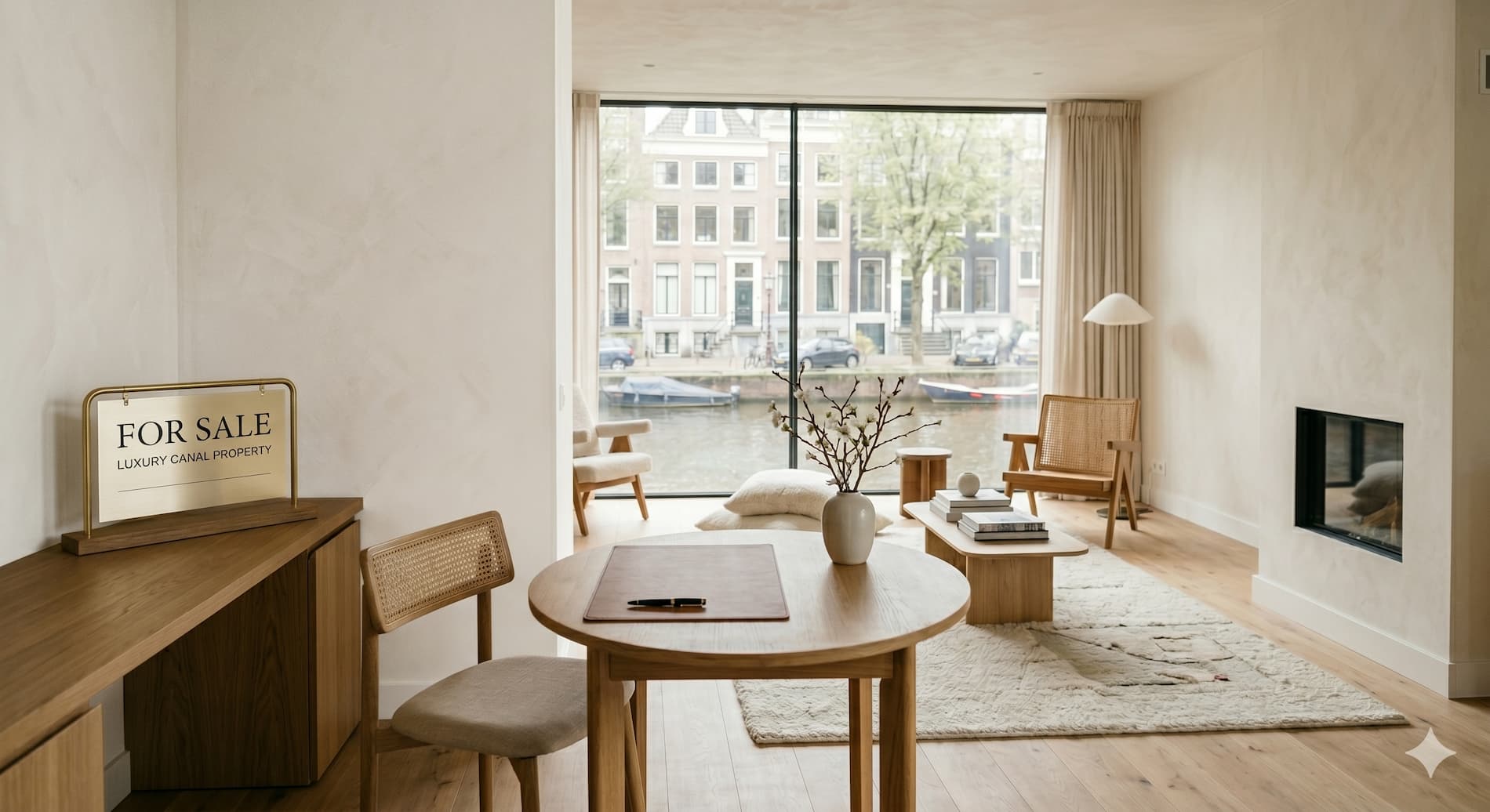
Dutch house prices rose around 8.5% nationally in 2025, according to De Nederlandsche Bank, and homes are selling in under five weeks on average. Market conditions are broadly in your favour as a seller.
That said, the decisions that most affect your outcome as an expat seller are rarely about the market. They are about your mortgage terms, your tax position, and your personal timeline. Here is what is worth sorting before you set a date.
There Is No Capital Gains Tax on Your Primary Residence
In the Netherlands, there is no capital gains tax on the sale of your primary residence. The profit from your sale is not taxed by the Dutch tax authority.
This surprises most expat sellers, particularly those coming from countries where this tax applies. Worth confirming early so it factors correctly into your financial planning.
If you own a property that’s for renting, things will change in 2028.
If You Have Already Left the Netherlands
Once you are no longer a Dutch tax resident, the rules around what you owe and to whom can shift depending on:
- Where you currently live
- How long you have been gone
- The tax treaty between the Netherlands and your new country of residence
This does not need to be complicated, but it does need to be thought through before you sell. A tax advisor with experience on both sides can clarify your position quickly.
A useful starting point: iamexpat.nl
What This Means in Practice
The sellers who handle their sale most smoothly are the ones who give themselves a runway. Not because the market requires it, but because sorting mortgage terms, tax position, and practical logistics takes time, especially if you are doing it from abroad.
If you would like to talk through your situation before you commit to a timeline, we are happy to help.
Book a free call with our selling specialists
Frequently Asked Questions
How long does it take to sell a home in the Netherlands? According to Investropa, the national average is around 28 to 32 days as of early 2026. In practice it varies considerably depending on your city, price range, property condition, and energy label. Your agent should give you a realistic expectation based on your specific situation.
What costs should I expect when selling my home in the Netherlands? The main ones are your agent fee (typically 1 to 1.5% of the sale price including VAT) and any outstanding VvE contributions to be settled at transfer. Notary costs are generally paid by the buyer in the Netherlands. If you are mid-fixed-rate period, a penalty fee may also apply. Your agent can walk you through a full cost overview before you commit to a timeline.
Do I need to be present in the Netherlands to sell my property? No. It is possible to sell remotely. You can grant a power of attorney to a notary or trusted representative to sign on your behalf. Your selling agent and notary will guide you through the process.
What is the bijleenregeling and does it affect me as a seller?
The bijleenregeling is a Dutch tax rule that applies when you sell your home and make a profit. If you buy another home in the Netherlands within three years of selling, you are expected to put the equity from your sale toward the new purchase. If you do not, you lose the right to claim mortgage interest deduction on the portion of your new mortgage that equals the equity you did not reinvest. For expats who are relocating abroad and not buying again in the Netherlands, this rule generally does not apply. For those who are selling and planning to buy again in the Netherlands within three years, it is worth factoring into your financial planning before you sell. A tax advisor can confirm what applies to your specific situation.